15 Authentic Kerala Products You Must Try in 2026 – Complete Shopping Guide
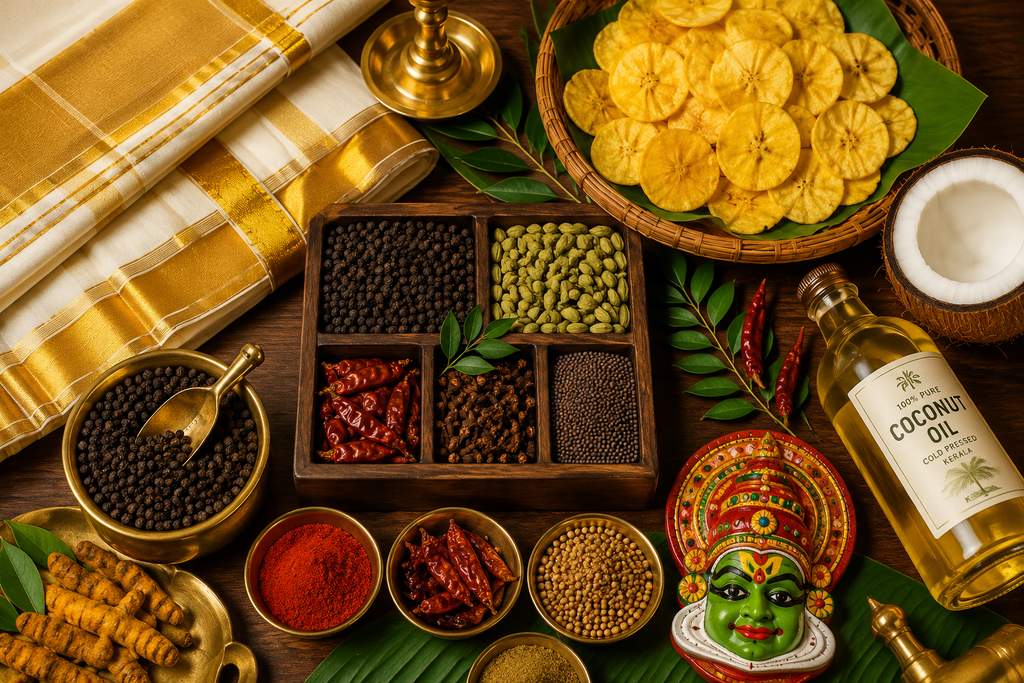
Kerala, the lush green state on India’s southwestern coast, is often called “God’s Own Country” — and once you explore its markets, you’ll understand why. From fiery Malabar spices to hand-woven sarees and mirrors polished to a shine no factory can replicate, authentic Kerala products carry centuries of craft, climate, and culture in every item. In this guide, we’ve rounded up 15 authentic Kerala products that are genuinely worth buying in 2026, why they matter, and how to make sure you’re getting the real thing instead of a mass-produced imitation.
Whether you’re shopping for your own kitchen, hunting for a meaningful gift, or building a small business around Indian handicrafts, this list will help you buy smarter.
Why Authentic Kerala Products Are Worth Seeking Out
Kerala’s geography — backwaters, spice hills, coconut groves, and a long coastline — has shaped what the region produces better than almost anywhere else in India. Many of these goods now carry an official Geographical Indication (GI) tag from the Government of India, a legal certification confirming a product genuinely originates from a specific Kerala region and is made using traditional methods. You can check the full, updated registry on the official GI Kerala portal, which lists everything from Aranmula mirrors to Wayanad coffee.
Buying authentic Kerala products isn’t just about souvenirs — it supports local artisans, farmers, and weaving communities who keep these traditions alive generation after generation.
1. Malabar Black Pepper
Often called “black gold,” Malabar pepper has been traded out of Kerala’s ports for over 2,000 years, drawing Roman, Arab, and European merchants to its shores. It’s known for a sharper, more aromatic bite than pepper grown elsewhere, thanks to Kerala’s humid, high-altitude growing conditions. When shopping for authentic Kerala products in the spice category, look for whole peppercorns rather than pre-ground powder — they retain flavor far longer.
2. Alleppey Green Cardamom
Grown in the Idukki hills and traded through Alleppey’s historic spice auctions, this cardamom variety has its own GI tag for a reason: the oil content and aroma are noticeably stronger than cardamom from other regions. It’s a staple in both Kerala’s own cuisine and in chai across India.
3. Coconut Oil (Kerala Naturals)
Cold-pressed, unrefined coconut oil is a household essential in Kerala, used in cooking, hair care, and traditional Ayurvedic massage. Genuine Kerala coconut oil has a clean, slightly sweet aroma and a light texture — very different from the heavier, deodorized versions sold in generic supermarkets.
4. Aranmula Kannadi (Aranmula Metal Mirror)
This is one of the most fascinating authentic Kerala products on this list. Made only in the village of Aranmula using a closely guarded metal-alloy technique, this mirror reflects light directly off a polished metal surface rather than through a glass-and-backing process. It’s one of only two “front-surface” mirrors historically produced anywhere in the world, and its GI protection means only artisans from Aranmula can legally sell it under that name.
5. Kasavu Saree (Kerala Set Mundu)
The cream-and-gold Kasavu saree, traditionally worn during Onam and weddings, is woven with real gold or gold-toned zari thread along the border. Balaramapuram and Kuthampully are the two GI-recognized weaving centers most associated with the finest versions of this fabric.
6. Coir Products from Alleppey
Alleppey (Alappuzha) is globally recognized for coir — fiber extracted from coconut husks and woven into mats, ropes, rugs, and geotextiles. Alleppey Coir carries its own GI tag, and the industry here dates back to the 19th century, once making Alappuzha a major global export hub.
7. Banana Chips
Crispy, coconut-oil-fried banana chips are practically Kerala’s unofficial snack ambassador. Made from the raw Nendran banana variety, authentic versions are fried fresh in small batches — a very different product from the shelf-stable, mass-manufactured chips found in generic supermarket aisles.
8. Palakkadan Matta Rice
This reddish-brown parboiled rice, grown in the Palakkad region, has a nutty flavor and firmer texture than white rice. It’s central to Kerala’s home cooking — used in everything from puttu to plain meals — and its GI tag confirms it’s grown specifically in the Palakkad belt’s distinctive soil and climate.
9. Wayanad Robusta Coffee
Grown in the misty hills of Wayanad under natural forest-shade conditions, this coffee has developed a loyal following among specialty coffee buyers for its bold, earthy profile. It’s a newer entrant to Kerala’s GI list but has quickly become one of the most sought-after authentic Kerala products among coffee enthusiasts.
How to Become a Seller on ShopOpen24: Complete Step-by-Step Guide
10. Ayurvedic Herbal Products
Kerala is considered the heartland of Ayurveda in India, and the state produces a wide range of herbal oils, balms, and skincare formulations rooted in centuries-old texts. When shopping this category, check for products made by established Ayurvedic pharmacies rather than unverified sellers, since authenticity and correct formulation matter for these items.
11. Central Travancore Jaggery
This unrefined cane sugar, produced in the Travancore region, is prized for its rich, caramel-like flavor and is used in traditional sweets like Kerala’s famous payasam. Its GI status protects the traditional production method that gives it a distinct taste compared to jaggery from other states.
12. Screw Pine (Kaithottam) Craft
Woven from the leaves of the screw pine plant, this handicraft tradition from the Kollam region produces mats, bags, and baskets known for their fine, tight weave. It’s a lesser-known but genuinely unique entry among authentic Kerala products, and supporting it helps preserve a shrinking artisan community.
13. Brass-Broidered Coconut Shell Crafts
Kozhikode artisans have long transformed discarded coconut shells into decorative items inlaid with brass work — spoons, bowls, and ornamental pieces that turn a humble byproduct into fine craftsmanship. It’s a strong example of Kerala’s tradition of sustainable, resourceful artisanship.
14. Payyanur Pavithra Ring
A traditional gold ring crafted in Payyanur, Kannur, using a technique passed down through generations of goldsmiths. It holds cultural and ceremonial significance in Kerala and is one of the more niche GI-tagged items on this list, appealing especially to collectors of traditional Indian jewelry.
15. Tirur Betel Leaf (Vettila)
Grown in the Tirur region of Malappuram, this betel leaf variety is known for its distinct aroma and is considered superior for traditional paan preparation. It was one of the earlier Kerala products to receive GI recognition and remains an important local crop.
How to Verify You’re Buying Authentic Kerala Products
With GI-tagged goods in particular, counterfeits and lookalikes are common in both physical markets and online marketplaces. A few practical checks:
- Look for GI certification marks on packaging where applicable, and cross-check the product against the official GI Kerala registry.
- Buy from sellers who name the specific origin village or district (e.g., “Aranmula,” “Balaramapuram,” “Wayanad”) rather than a vague “Kerala-made” label.
- Check ingredient and material lists — for example, genuine coir contains no synthetic fiber blends, and real Kasavu sarees use actual zari thread rather than printed gold patterns.
- Read seller reviews specifically about authenticity, not just shipping speed or packaging.
- For background on the state’s geography and produce, Kerala’s official tourism resources are also a useful reference point via Kerala Tourism.
Bringing Kerala Home
What makes authentic Kerala products stand out isn’t just where they’re made — it’s the knowledge, climate, and craft traditions baked into every batch of spice, every woven thread, and every polished mirror. Buying the genuine article, rather than a generic copy, means the money you spend actually supports the farmers and artisans keeping these traditions alive.
At ShopOpen24, we curate a growing collection of verified, source-checked Kerala goods — spices, handicrafts, textiles, and Ayurvedic products — so you can shop with confidence. Browse our Kerala Spices collection and Kerala Handicrafts collection to bring a genuine piece of God’s Own Country into your home.
Frequently Asked Questions
What are the most popular authentic Kerala products to buy as gifts? Malabar pepper, banana chips, Kasavu sarees, and Aranmula mirrors are among the most popular gift choices, since they’re distinctive, portable, and instantly recognizable as Kerala specialties.
How can I tell if a Kerala spice is genuine? Genuine Malabar pepper and Alleppey cardamom have a noticeably stronger aroma than standard supermarket spices. Buying whole (not pre-ground) and checking the seller’s stated source region are the most reliable checks.
Are GI-tagged products more expensive? Often slightly, yes — GI certification reflects verified origin and traditional production methods, which typically involve more manual labor than mass manufacturing. The price difference usually reflects genuine quality and support for local producers.
Is it safe to buy Ayurvedic products online? Stick to established, licensed Ayurvedic manufacturers and read ingredient labels carefully. If you have any health conditions or are pregnant, it’s worth checking with a doctor before starting a new herbal product.